Tile flooring is a major finish decision in a South Florida renovation. Format, layout, grout, and substrate preparation all influence how the finished space reads. This 2026 planning guide outlines the design directions homeowners commonly compare before selecting material and installation scope.
1. Large-Format Tiles: 24x24, 32x32, and Even 48x48
Large-format tile remains a common option for South Florida homes. Fewer grout lines can create a more continuous look, while the selected size should match the room, tile body, layout, and substrate condition. Common planning formats include 24x24, 32x32, and 48x48 porcelain for living areas, kitchens, and primary suites.
2. Herringbone and Chevron Patterns
Pattern tile installation is surging in 2026. Herringbone is the most requested pattern — we're installing it in marble, porcelain, and wood-look tile across South Florida. Chevron (a sharper V-pattern) is gaining ground in modern and contemporary homes. Both patterns add movement and visual interest without overwhelming the space.
- Marble herringbone: Classic, timeless. Best in bathrooms, foyers, and feature areas.
- Porcelain herringbone: More durable, lower maintenance. Great for kitchens and high-traffic areas.
- Wood-look herringbone: Warm and inviting. Popular in bedrooms and living areas.
3. Terrazzo Is Back — and It's Stunning
Terrazzo — the composite material made of marble chips set in cement or resin — is making a major comeback in South Florida in 2026. It's perfect for Florida's climate: cool underfoot, seamless (no grout lines), and incredibly durable. We're seeing terrazzo in foyers, bathrooms, and even full living areas in Miami Beach and Coral Gables.
4. Warm Neutral Tones Replace Cool Grays
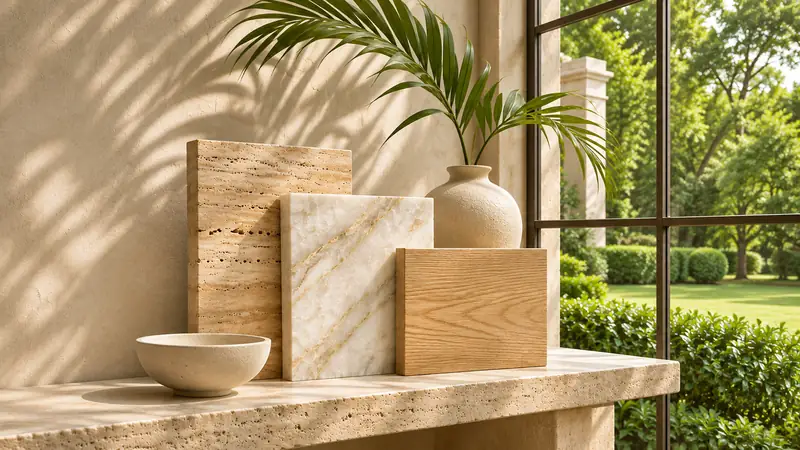
The cool gray tile trend that dominated the 2010s is officially over. In 2026, South Florida homeowners are choosing warm neutrals: creamy beige, warm taupe, sandy ivory, and soft terracotta. These tones work beautifully with Florida's natural light and complement the earthy cabinet and countertop trends.
5. Calacatta and Marble-Look Porcelain
Not everyone wants to maintain natural marble floors. Calacatta-look and marble-look porcelain tiles give you the dramatic veining and luxury aesthetic of marble with very little maintenance. We're installing these throughout South Florida — full-home floors, bathroom walls, and shower surrounds.
6. Matte, Textured and Slip-Resistant Finishes
The high-gloss polished floor is giving way to matte and softly textured surfaces. Honed marble, matte porcelain and lightly structured finishes look calmer in bright South Florida light, and they show far less glare, dust and footprints than a polished floor.
There is a practical side to this trend. A floor that is walked on wet, such as a kitchen, a bath or the area by the pool door, should meet the tile standard ANSI A326.3, which sets a minimum wet DCOF of 0.42 for level interior floors expected to be walked on when wet. Many matte and textured porcelains meet it easily; many polished tiles do not. Look for the number on the spec sheet before you fall in love with a sample.
For covered patios and lanais, the outdoor version of the same tile line usually comes thicker and with more texture, so the indoor and outdoor floors match in color while each has the grip it needs. Our guide to matte vs. polished porcelain compares the two finishes room by room.
Where it works best: kitchens, primary baths, family rooms and any floor that opens to the pool.
Next step: tell us which rooms you are planning, and we will bring matte and polished samples so you can compare them in your own light.
7. Handmade Looks: Zellige, Glazed Terracotta and Artisan Tile
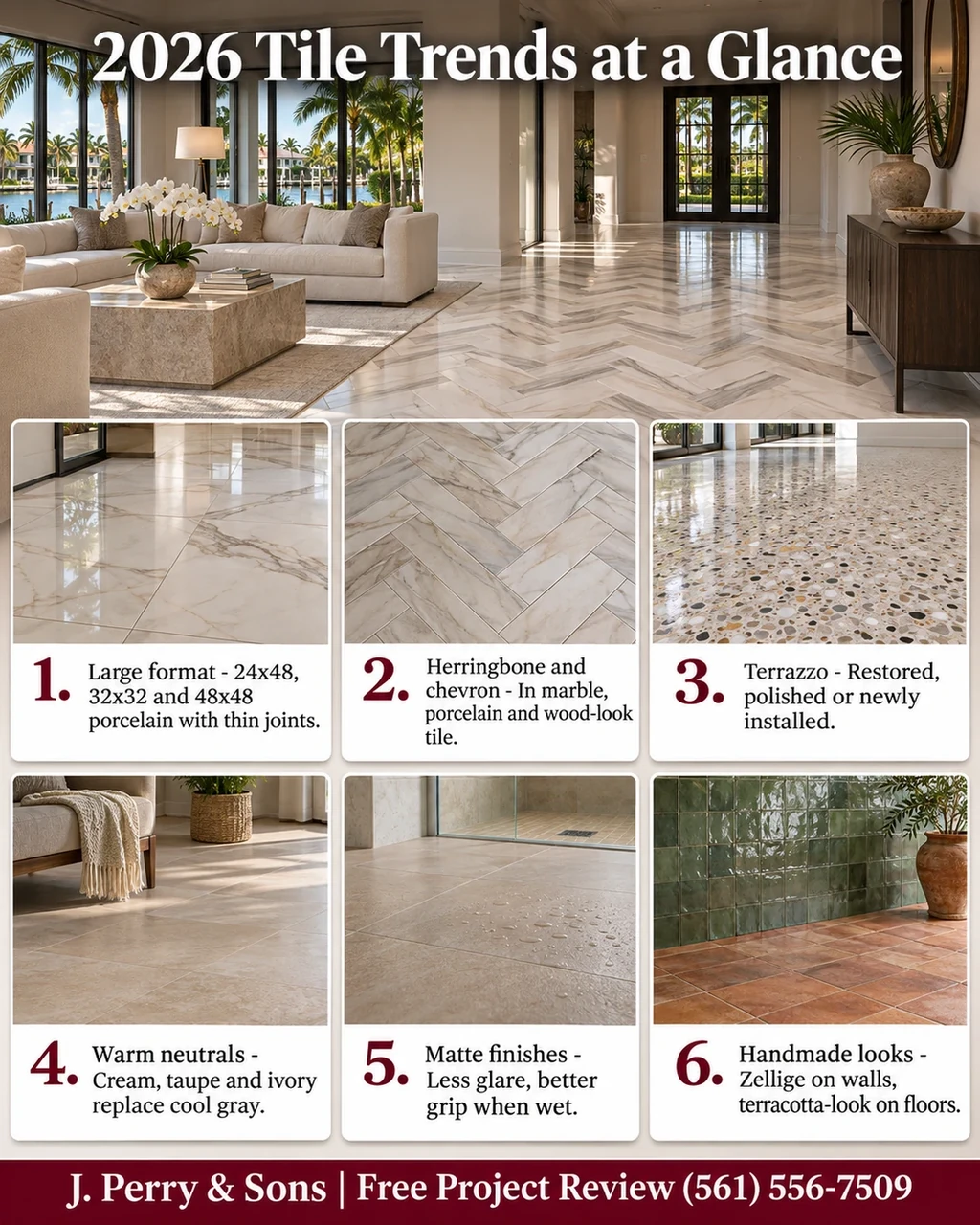
At the opposite end from large, flat porcelain is tile that looks made by hand. Zellige, the glazed Moroccan clay tile with uneven surfaces and shifting color, is the most requested, mostly on walls, backsplashes and shower walls. Glazed terracotta and handmade-look porcelain bring the same warmth to floors.
What owners need to know before choosing it:
It is meant to be uneven. Every zellige tile varies in thickness, edge and shade. That variation is the look. A zellige wall does not look like a flat porcelain wall, and it should not.
It is installed differently. Uneven tiles are set with a thicker mortar bed and careful back-buttering to keep the face reasonably even, with tight or very narrow joints. Many zellige tiles are porous and need sealing before and after grouting.
Floors need the right product. True zellige is usually too soft for heavy floor traffic. For floors, a handmade-look porcelain or a floor-rated terracotta gives the look with the durability a South Florida home needs.
Our guide to installing zellige tile goes deeper into setting and sealing.
Where it works best: kitchen backsplashes, shower and bath walls, bars and powder rooms.
Next step: if you are considering zellige, send us a photo of the look you want and the wall it is going on, and we will tell you which product fits that space.
How to Tell a Trend From a Floor You Will Keep
A floor stays in a house much longer than a paint color, and tile is expensive to remove. These are the questions we ask owners before they commit to a trend.
Will the color still work when the furniture changes? Warm neutrals, soft whites and natural stone tones have lasted through many design cycles. Strong colors and busy patterns are easier to love on a wall or a backsplash, where they can be changed, than on a whole floor.
Is the trend the material or the pattern? Herringbone, chevron and other tile patterns can be done in a timeless material. A classic marble or a quiet porcelain in herringbone will age better than a trendy color in a plain layout.
Does it suit the house? A 48x48 tile in a modern open plan looks right. The same tile in a smaller, traditional home can feel out of scale. Terrazzo suits mid-century and contemporary homes and South Florida's history.
Is the look worth its care? Natural marble and terrazzo need sealing and occasional polishing. Marble-look porcelain gives a similar look with very little care. Neither choice is wrong, as long as you know which one you are signing up for.
Can you see it big? A single sample hides how a pattern or veining repeats across a room. We bring several pieces to your home, and once you sign the proposal we can show you a simple rendering of the room before materials are ordered. See renderings and samples.
Next step: send us the trend images you are saving and a photo of your room, and we will tell you which ones will still look right in your house in the long run.
What Does Tile Installation Cost in South Florida?
- Standard porcelain tile (12x12 to 18x18): Starting at $20 per sq ft installed
- Large-format porcelain (24x24+): Starting at $30 per sq ft installed
- Natural marble tile: Starting at $20 per sq ft installed
- After the project review, your written proposal lists the following scope and pricing: Herringbone pattern (any material): for pattern complexity.
- Terrazzo: Starting at $20 per sq ft installed
What These Trends Ask of the Installation
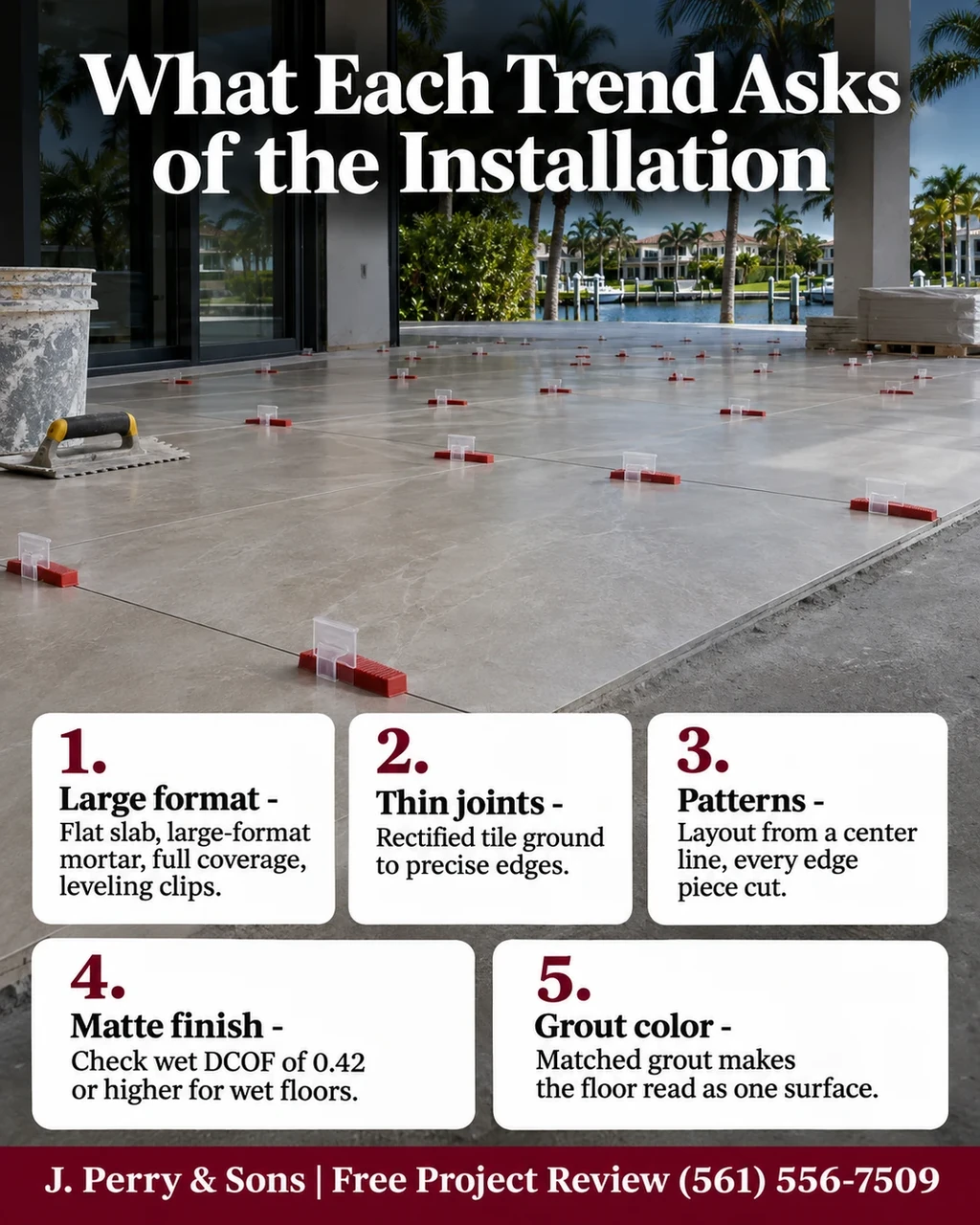
Every trend on this list changes how the floor has to be installed, and that is where most of the price difference comes from.
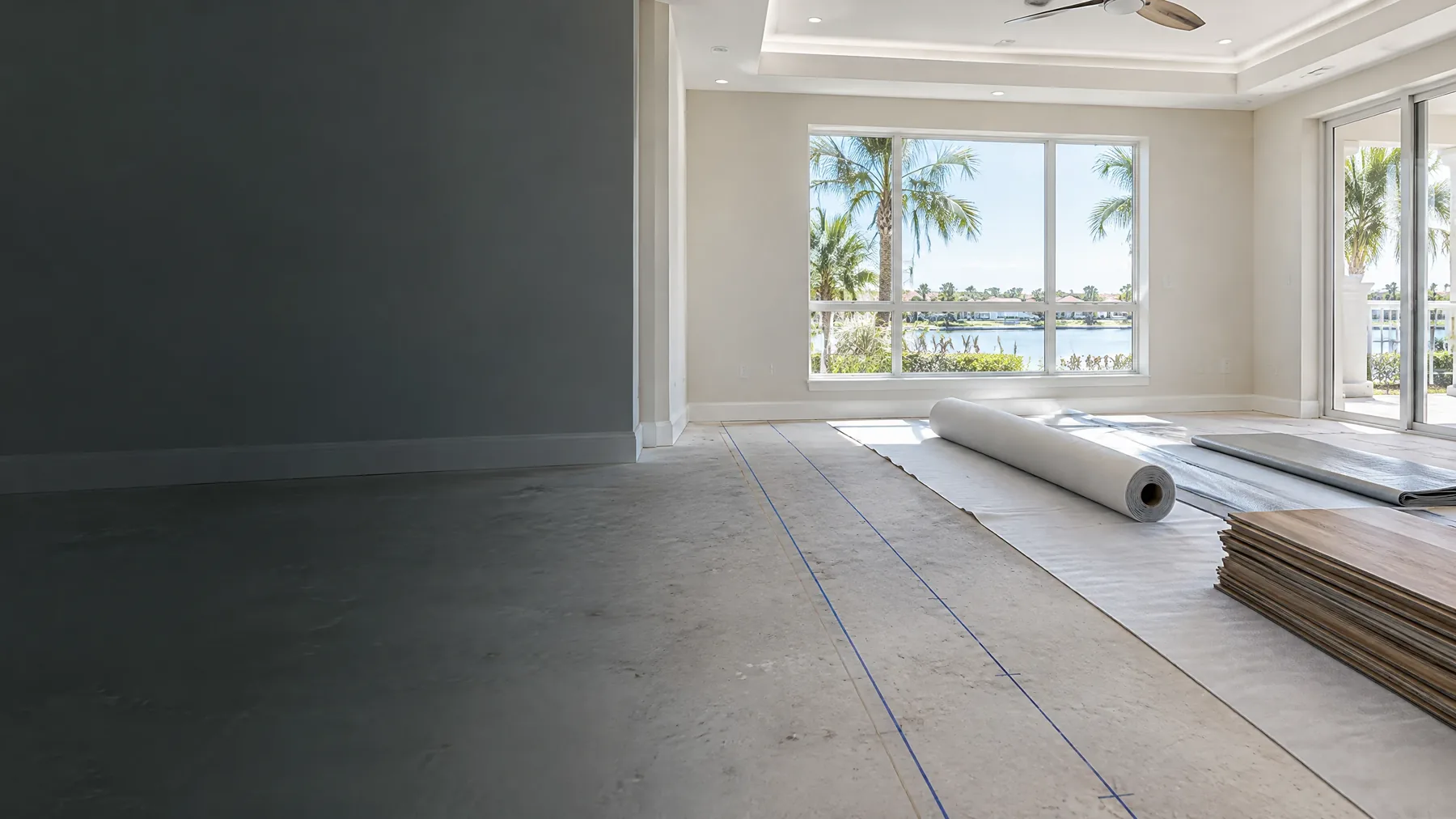
Large format needs a flat slab. Industry standards for tile with any edge 15 inches or longer call for a substrate within 1/8 inch over 10 feet. Most slabs need leveling with mortar mix to get there, plus a large-format mortar, back-buttering for full coverage and a leveling clip system. Our porcelain tile installation guide covers the setting steps.
Thin joints need rectified tile. The narrow joints that make large tile look seamless are only possible with rectified tile, which is ground to precise edges. Joint width is set by the tile's actual size variation, never less than the minimum the standard allows.
Patterns need layout time. Herringbone and chevron are laid out from a center line, with every perimeter piece cut. The pattern has to be planned against the room so it lands straight at the main doorway.
Terrazzo has two paths. We restore and polish existing terrazzo, and new terrazzo is installed as tile or, for poured terrazzo, by terrazzo specialists, coordinated and permitted by J. Perry & Sons, with the project staying under J. Perry & Sons. See our terrazzo floor restoration page.
Grout choice changes the look. Matching the grout color to the tile is what makes a large-format floor read as one surface. Epoxy and urethane grouts hold their color best. See our guide to grout types.
Next step: pick the trend you like most and send us a photo of your room, and we will tell you what the installation needs and the starting price.
FAQ
What tile is most popular in South Florida in 2026?
Large-format porcelain in warm neutral tones, marble-look porcelain and honed natural stone lead most of the projects owners ask us about. Herringbone remains the most requested pattern, and terrazzo is back in foyers and living areas.
Is large-format tile hard to install?
It is less forgiving than smaller tile. It needs a flat slab, usually leveled with mortar mix, a large-format mortar, full coverage and a leveling clip system. Done correctly, it gives the most seamless floor possible.
Can zellige be used on a floor?
Most true zellige is too soft for heavy floor traffic. For floors, choose a floor-rated terracotta or a handmade-look porcelain that has the same character with more durability. Zellige is at its best on walls, backsplashes and showers.
Will a trendy tile date my home?
Trends that rely on color date faster than trends that rely on material, size or pattern. A classic stone or quiet porcelain in a current layout, such as large format or herringbone, tends to last the longest.
Do you supply the tile?
Yes. J. Perry & Sons supplies all materials from the preferred brands we work with and brings samples to your home before you decide.